


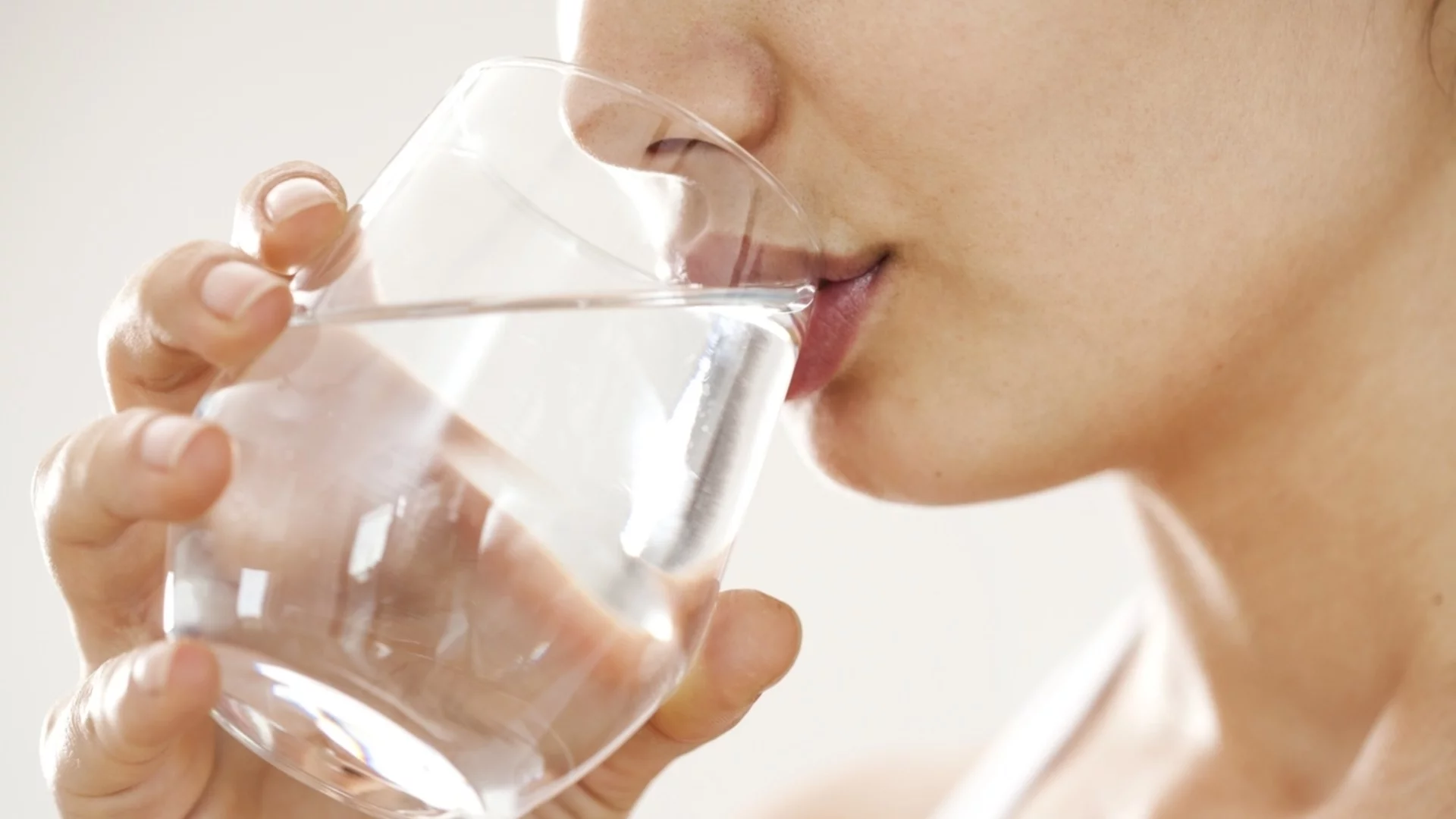
When you sweat, your internal temperature rises. Introducing near-freezing temperatures into this environment disrupts your body’s natural cooling mechanisms and causes a strong localized response.
After spending a few minutes under the scorching sun and feeling drenched in sweat, drinking ice-cold water can provide instant relief. Cold water lowers your core body temperature, offering a refreshing sensation that’s especially soothing when you’re overheated. This cooling effect can help relieve the discomfort caused by high temperatures, thus making it easier to deal with heat stress. However, drinking ice-cold water may not be the most effective way to manage body heat. It can cause internal shock and acute physical discomfort as it disrupts the body’s natural cooling mechanisms and causes a strong localized response.
Is it safe to drink ice cold water while sweating?
“Although you may find it refreshing to drink ice water after sweating, it doesn’t suddenly cool the body from the inside. Your body is still working to balance its temperature on its own. For most healthy people, moderate amounts of cold water are usually safe. But for some sensitive people, drinking a lot of ice water too soon after sweating profusely can sometimes cause discomfort,” says Dr Seema Deer, Head of Department and Senior Consultant in Internal Medicine at Artemis Hospitals.
Domestic violence: A man began choking his wife during an argument
When you sweat, your core temperature rises and your blood vessels dilate to remove the heat. Introducing near-freezing temperatures into this environment disrupts your body’s natural cooling mechanisms and causes a strong localized response.
“Drinking ice-cold water while sweating profusely is usually not dangerous for most healthy people, but it can sometimes cause discomfort or minor problems, especially if taken in very large gulps when the body is already overheated. Extremely cold water can briefly constrict blood vessels in the throat or upper intestine, which can sometimes cause brain freeze-type headaches, sore throats, or mild stomach cramps in sensitive people.” It usually does not cause strokes or heart attacks, but those with known heart disease or very low blood pressure should drink cool (not ice) fluids more slowly and watch out for dizziness or chest discomfort,” says Dr Meenakshi Jain, MD and HOD, Internal Medicine at Max Super Specialty Hospital, Patparganj.
Experts highlight another major problem, which is focusing on drinking cold water and not replenishing electrolytes properly. After profuse sweating, it is essential to replenish electrolytes to maintain safe muscle function.
Experts shared the following tips:
Rather than relying solely on ice-cold water, it’s often better to hydrate with cool, but not extremely cold, fluids to maintain comfort and aid in effective temperature regulation. If you are very sweaty or have been in the sun, take small sips every few minutes instead of drinking a whole bottle quickly.
If you sweat profusely, move to a cooler or shaded area, loosen tight clothing, and let air circulate around your body with a fan or breeze.
Splashing cool water on the face, neck and wrists also helps to lower the body temperature naturally without putting a sudden strain on the body.
Replenish electrolytes by eating fruits with a high water content, cottage cheese, coconut water, and oral rehydration drinks.
Avoid alcohol and caffeine, as they can worsen dehydration
Source: Actualno

