


Saint SATURDAYknown in Bulgaria like Lazarus SATURDAYthis is the continuation of Easter cycle, is a quiet but deeply symbolic day in the Orthodox Christian calendar, marking the period between the crucifixion of Jesus Christ and his resurrection on Easter Sunday.
In Bulgariathe day is observed as part of Saint Week and carries a strong spiritual orientation. Churches hold services that continue the mourning atmosphere of Good Friday, but with increasing anticipation of the Resurrection. The liturgy often emphasizes hope, light and the transition from sadness to joy.
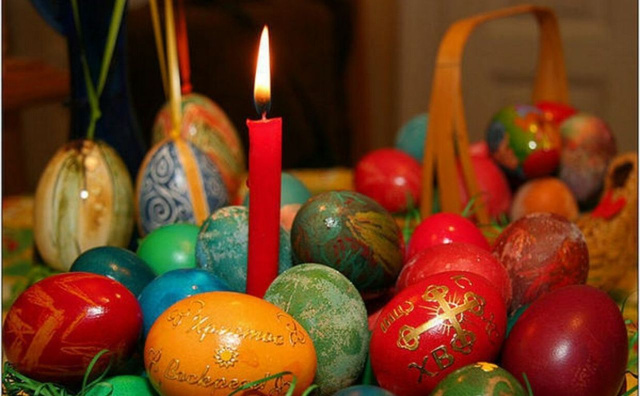
Throughout the day, preparations Easter intensify. Families clean and prepare homes, while completing the final stages of traditional activities. Easter baking, including the preparation of kozunak, the braided sweet bread that is a staple of the holiday table. Many households also prepare painted eggs, with the first red egg traditionally placed near household icons as a symbol of protection and blessing.
Religious services on Saint SATURDAY are centered around the idea of Christ resting in the tomb. Churches remain solemn, but tone gradually changes as believers prepare for midnight Easter service. The faithful often spend the day in fasting and quiet reflection, maintaining the strict dietary practices of Saint Week.
In the evening, attention turns to the most important moment of the Orthodox year: the Resurrection service. Churches across Bulgaria filled with worshipers holding candles, awaiting the symbolic announcement of Christ’s resurrection. The atmosphere changes dramatically at midnight, when the greeting “Christ is Risen” marks the beginning of Easter celebrations.
Saint SATURDAY it is therefore a day of transition, combining mourning and anticipation. It connects the sadness of Good Friday with the joy of Easter Sunday, which constitutes a key element of Bulgariaof Orthodox tradition and the annual religious rhythm.
Source: Novinite

