


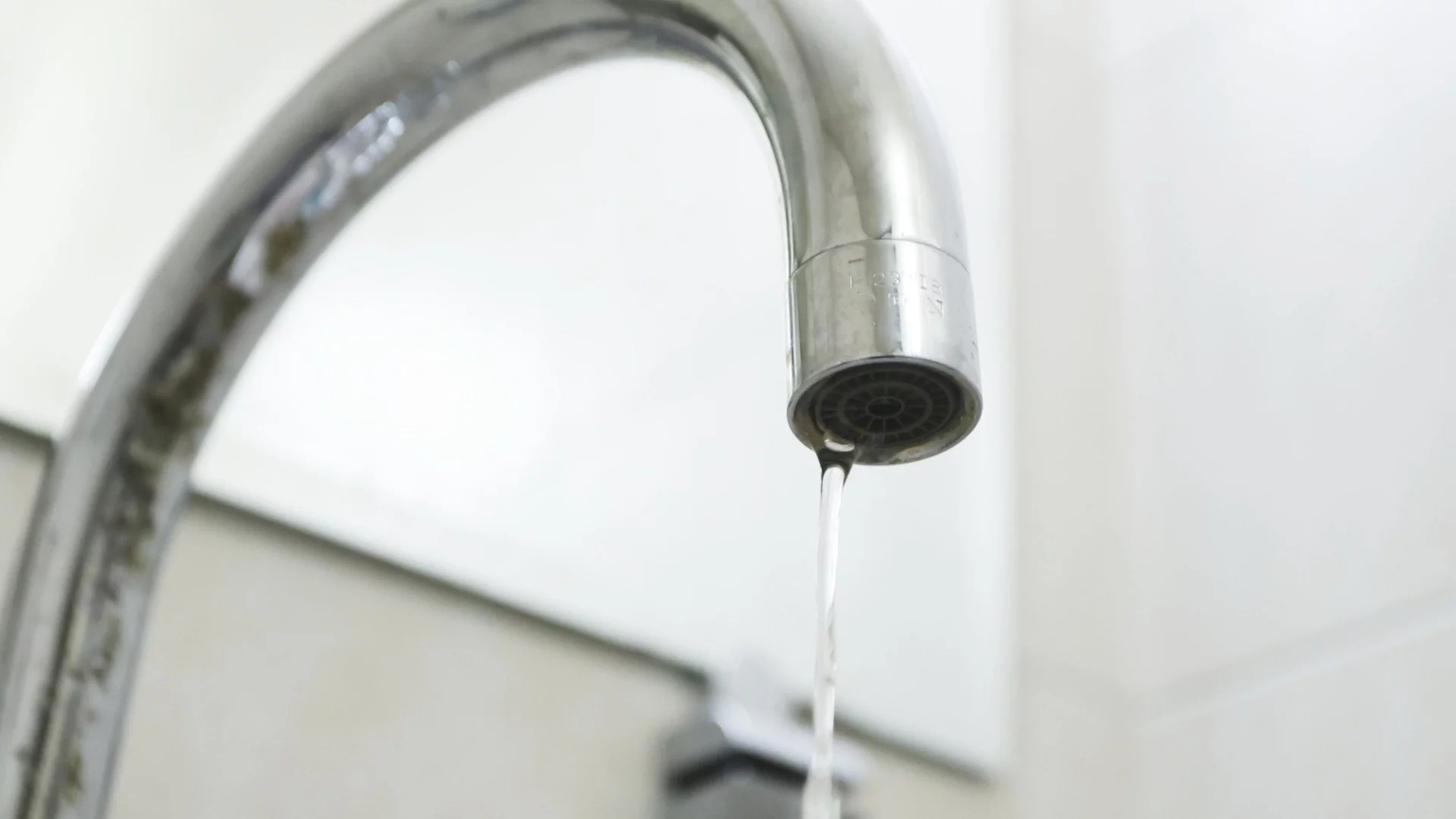
After the passage of the water element in parts of the country, the Ministry of Health (MoH) warned of a serious risk of contamination of water sources and the occurrence of epidemiological hazards. The health authorities warn that during floods there is a direct risk to the health of the population due to the entry of sewage and microbiological contaminants into the network.
window.googletag = window.googletag || {cmd: []};
googletag.cmd.push(function() {
googletag.defineSlot(‘/128945922/Actualno.com/InArticle//1’, [[1, 1],[300, 100], [336,600], [300, 50], [120, 240], [300, 75], [300, 250], [250, 250], [336, 280], [180, 150], [200, 200],[336,280],[300,600]], ‘/128945922/Actualno.com/InArticle//1’).addService(googletag.pubads());
});
Massive inspections and state aid
The department announced that immediately after the withdrawal of the water and the normalization of the situation, the Regional Health Inspections (RHI) began massive sampling and laboratory analysis of drinking water. The aim is to prevent the spread of infectious diseases.
Constant monitoring of the situation is carried out in coordination with regional governors, municipalities and water supply companies. In order to ensure people’s safety, the State Reserve is already releasing quantities of mineral water to the most affected areas.
Minister Ivkova personally called on the management of RZI to maintain a constant channel for communication with the public and to promptly inform about the sanitary and hygienic situation in places.
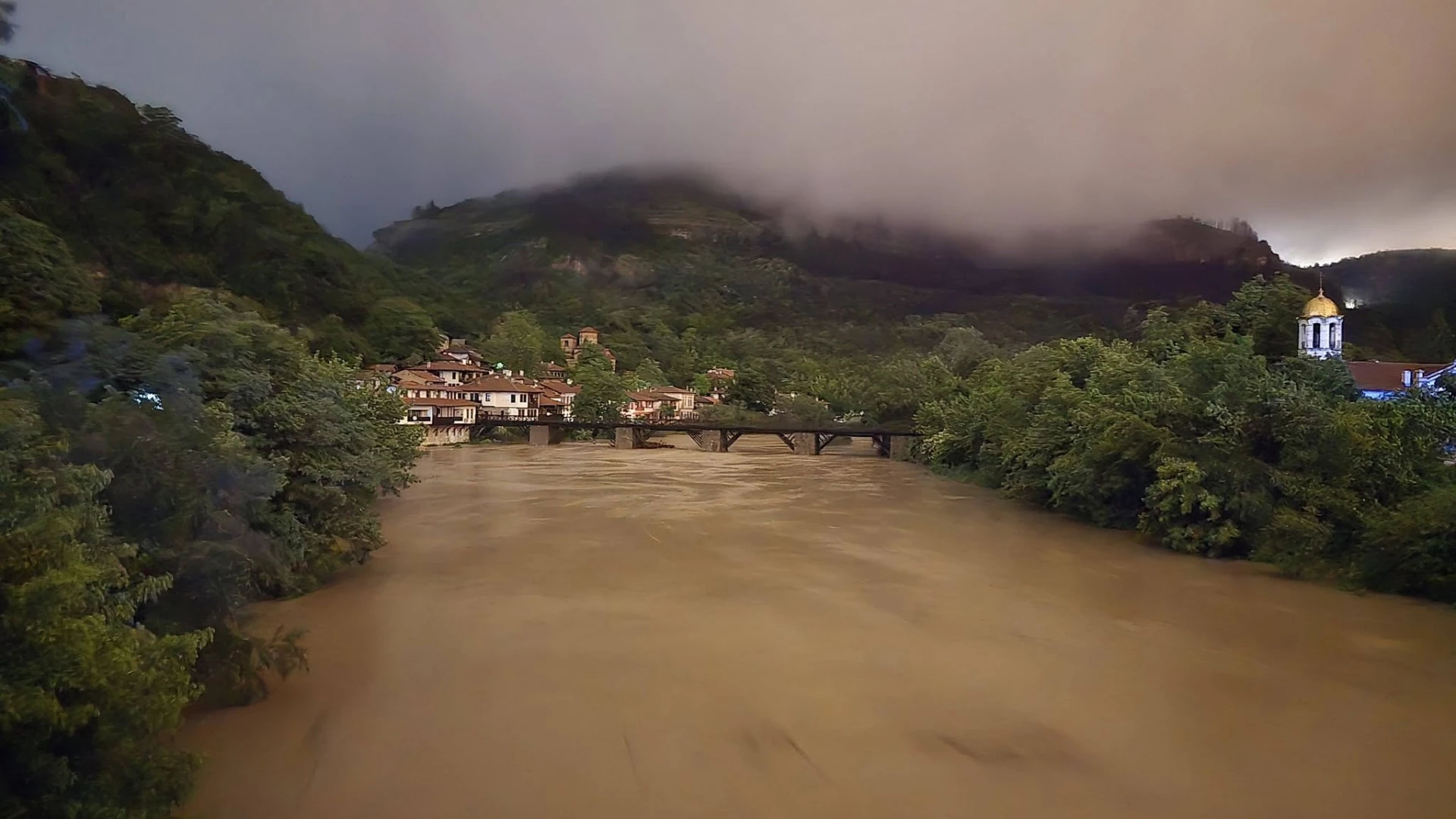
PHOTO: Daniel Panov/Facebook
Basic safety rules: What do we need to know?
The Ministry of Health has published a list of urgent measures that every citizen in a risk area must follow:
1. Drinking water and cooking
Total ban: Do not use water from the tap, as well as from wells or boreholes for drinking and cooking until the official laboratory results are available.
Alternatives: Use only bottled water or that supplied by verified tanks.
2. Personal hygiene and protection
Disinfection: Wash your hands frequently and use alcohol-based sanitizers.
Protective equipment: When working to clean the affected areas, be sure to wear a mask and gloves to avoid contact with mud and contaminants.
Wound care: For any injury during debridement, seek medical attention. Any wound should be treated professionally, and the need for a tetanus vaccine should be considered.
3. Food safety
Disposal: All foodstuffs that have been in contact with the incoming water must be disposed of.
Canned food: Do not consume canned food with questionable appearance or damaged packaging.
Storage: Keep food supplies in tightly closed containers to protect them from insects and rodents, which are common after disasters.
When should we see a doctor?
Health authorities call for increased attention to the symptoms of gastrointestinal infections. In the event of diarrhea, vomiting, fever or severe fatigue, seek medical help immediately.
Important warning: people with symptoms of illness should not prepare food for others to limit the risk of cross-contamination.
The Ministry of Health continues to monitor the situation in real time and will update its guidelines according to the results of the upcoming inspections.
After the flood: State of emergency in Central Bulgaria, Yantra retreats, but the damage is huge
Source: Actualno

