



You’ve probably heard that we should drink eight glasses of water a day. In fact, the recommendation is so widespread that you probably haven’t thought to question it. But this guide doesn’t take into account the many factors that affect your body’s needs. Today we will give you more information about how much water to drink per day, as well as the signs to watch for.
Why hydration is important
When it comes to optimal health and well-being, staying hydrated is key. “Water is essential for almost every function of the body,” says Swapnil Patel, MD, an internist and vice chair of medicine at Hackensack Meridian Jersey Shore University Medical Center. “It helps regulate temperature, transport nutrients, remove waste, and keep joints and tissues lubricated,” he notes.
Water is also needed for circulation and maintaining blood volume and pressure, providing structure to cells (and maintaining their chemical reactions), promoting digestion and absorption of nutrients, and supporting brain function, including cognition and mood, according to Gianna DiMaria, M.D., registered dietitian and professor of medicine at New York College of Medicine.
Hydration is so important that even mild dehydration can cause symptoms. The catch? Signs can be subtle. Examples can include thirst, dry mouth, headache, fatigue, dizziness, constipation, decreased urine output, change in urine color, and decreased exercise capacity, says Sierra Holley, M.D., a registered dietitian at The Ohio State University Wexner Medical Center.
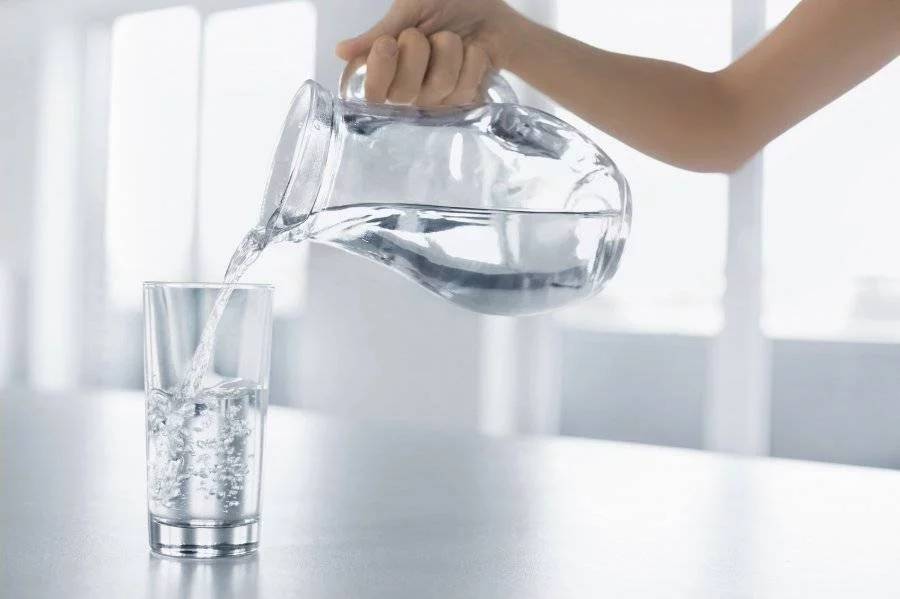
Where did the 8 glasses a day rule come from?
Guidelines for drinking eight glasses of water a day have been around for years. “This recommendation originated with the American Food and Nutrition Board in the 1940s, based on an average consumption of [около] 2,000 calories a day, estimating 1 milliliter per calorie consumed,” says DiMaria. Patel adds, “The eight-glass-a-day rule came from the recommendation to drink about 2.5 liters of water a day, but that includes fluids from food, which is often overlooked. Over time, this simplified to the also-known ‘8×8’ rule of drinking eight 8-ounce glasses of water a day, which equates to around 2 litres,” says Patel.
“However, there is no peer-reviewed evidence to support the average recommendation of eight glasses of water per day,” says DiMaria. Patel agrees, further confirming that there is no strong scientific evidence that everyone needs this exact amount. “In reality, hydration needs vary based on body size, activity level, climate, diet and overall health, so a one-size-fits-all recommendation is impossible,” says Patel.
Factors that affect your water needs
According to Holly, factors that affect your daily water needs include:
Age
Height
Weight
gender
Type, duration and level of physical activity
Certain health conditions
Some medicines
Climate
Pregnancy or breastfeeding
Diets high in sodium and high in protein
Specifically, physical activity and heat are the biggest factors that increase water needs because the body loses more fluids through sweat, Patel says. The same is true at high altitude, where fluid loss accelerates due to faster breathing, DiMaria says.

What the experts actually recommend
So how much water should you aim to consume per day? Patel says the National Academy of Medicine recommends 3.7 liters and 2.7 liters for men and women, respectively.
“Other organizations recommend slightly lower amounts, but the general range is similar. For most people, taking about 2.5 to 3.5 letters a day is enough to maintain good hydration and support kidney health and overall metabolic health,” says Patel.
It’s worth noting that these guidelines include liquids from all sources, not just drinking water. This means that other drinks and the food you eat will contribute to your fluid intake, ultimately affecting how many glasses you need to drink to meet your needs.
How to know you’re drinking enough water
A doctor can determine your personalized water needs. There are also some ways to tell if you’re drinking enough.
In general, these are signs that you’re getting enough fluids:
Pale or light yellow urine
Regular urination every three to four hours
Stable energy levels
High skin elasticity
Good digestion (eg no constipation or hard to pass stools)
Signs You’re Not Drinking Enough Water
There are a few things that indicate you may be dehydrated and need more water:
Dark colored urine
Less frequent urination
Dry mouth or tongue
Increased thirst
Increased fatigue
Frequent headache
Source: Actualno

