


The huge oil supply contract between Russia and Indonesia is at a standstill due to a shortage of tankers and fears of sanctions. The deal announced last month is progressing slowly, with Jakarta developing a special import scheme and regulatory framework for Russian crude, Reuters reported, citing a spokesman for the Southeast Asian country’s Energy Ministry and shipping data.
Gold does not lie: Russia is under water in the economic ocean. Budanov: Ukraine is Russian (OVERVIEW – VIDEO)
Jakarta wanted to import 150 million barrels of oil from Russia in 2026.
Indonesia intends to import 150 million barrels of oil from Russia this year, Deputy Energy Minister Juliot Tanjung announced in April. His statement followed a meeting between Indonesian President Prabowo Subianto and Russian dictator Vladimir Putin in Moscow.
However, no direct deliveries of oil from Russia to Indonesia are planned for the current and next months. According to consulting firm Kpler, the only shipment of Russian crude – “Arctic Novi” – was sent from the storage facility in Pelepas, Malaysia, to the refinery in Cilacap, Indonesia, on April 21. So far, no other deliveries of Russian varieties to Indonesia have been registered.

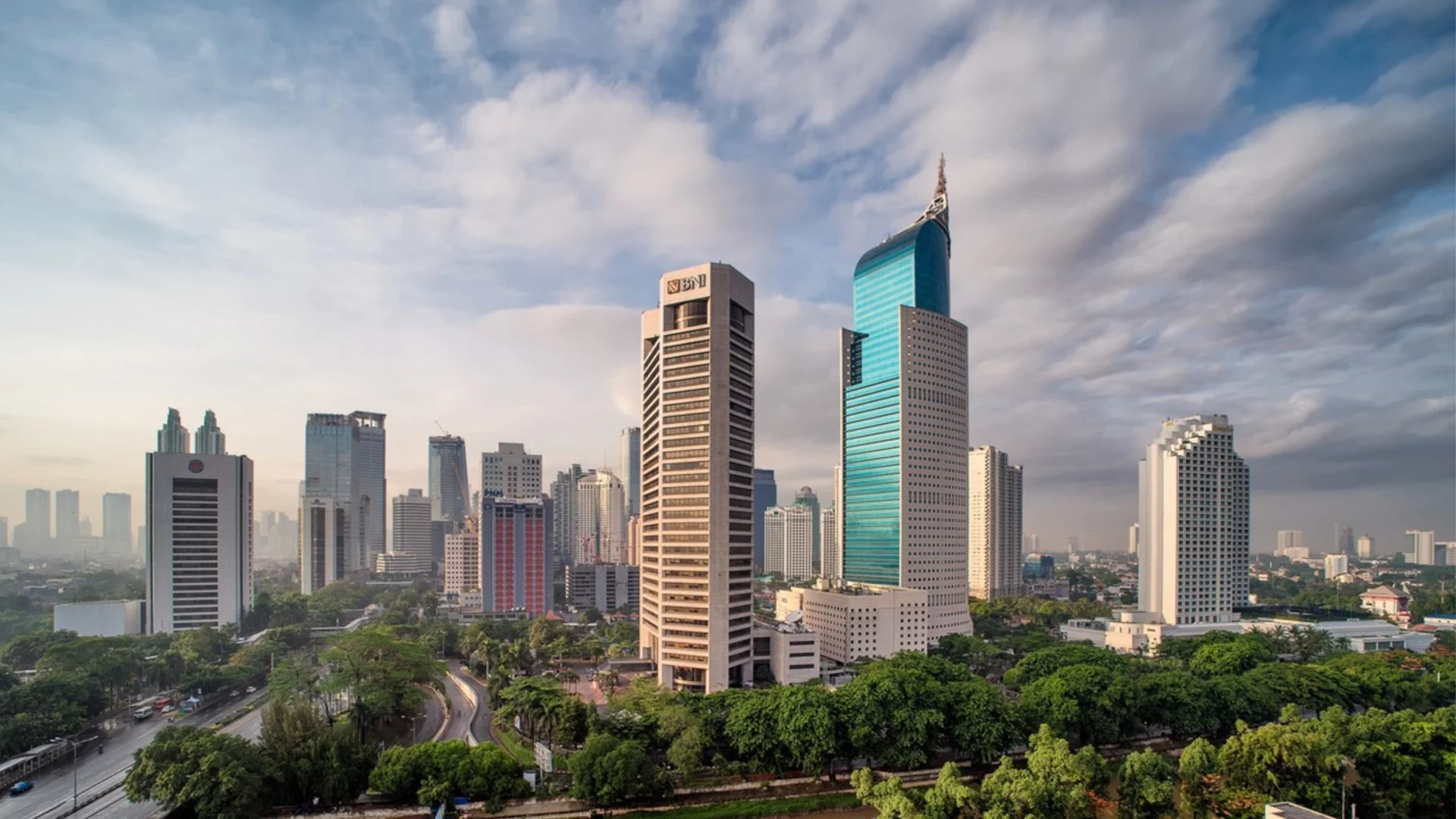
Photo: iStock
No Sanctions: Radev Accommodates Russia’s Demands for Massive Oil Pipeline Attacked by Ukraine
Indonesian officials note that the structure of the deal has not yet been settled. Ministry of Energy spokesperson Laode Sulaman statedthat Jakarta is developing a special import scheme and related regulatory framework.
Indonesia’s state-owned company is wary of sanctions
State oil and gas company Pertamina has Eurobonds and must avoid actions that could violate their terms. “That’s why we are currently developing a separate scheme,” the spokesman said, adding that an import operator has not yet been selected and no timetable for implementation has been set.
An additional limitation remains the shortage of tankers for the transportation of Russian oil due to Western sanctions, as well as the considerable length of the routes, which increases the cost of supplies.
Source: Actualno

